
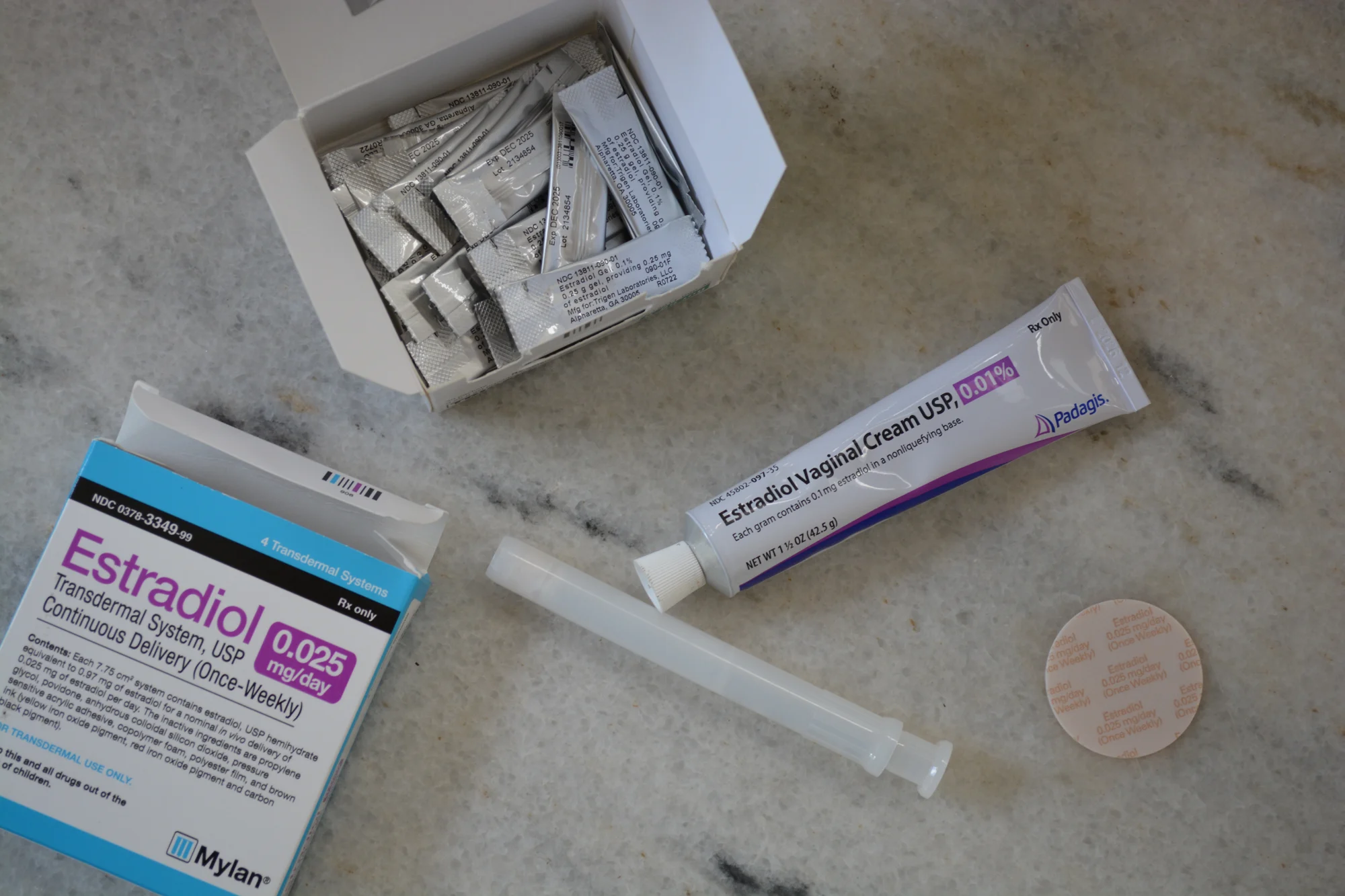
If you’ve hesitated to try hormone therapy (HT) because of something you read or heard years ago, you’re not alone. Much of the fear around HT traces back to a single study from the early 2000s — one that’s since been re-examined, re-analyzed, and substantially walked back by the medical community. Here’s where the evidence actually stands today.
Where the fear came from
In 2002, the Women’s Health Initiative (WHI) released early results suggesting hormone therapy increased the risk of breast cancer, heart disease, and stroke. The news spread fast, prescriptions dropped dramatically almost overnight, and an entire generation of women and clinicians became wary of HT.
What later analysis revealed
In the years since, further analysis of the same data — along with newer research — showed the original findings were more nuanced than the initial headlines suggested:
- Much of the increased risk applied specifically to women who started hormone therapy in their 60s or later, often a decade or more past menopause
- Age at initiation matters enormously. For women who start HT within 10 years of menopause or before age 60 (often called the “timing hypothesis”), the risk-benefit profile looks very different and is generally favorable
- The type of hormone and route of delivery matter too. Estrogen-only therapy (for women without a uterus) showed a different risk profile than combined estrogen-progestogen therapy
- Overall, absolute risks discussed in the original study were small in real numbers, even though the relative risk percentages sounded alarming
What The Menopause Society says now
The Menopause Society’s current position is that hormone therapy is the most effective treatment available for hot flashes, night sweats, and several other menopause symptoms, and that for most healthy women under 60 or within 10 years of menopause, the benefits generally outweigh the risks.
What HT can help with
- Hot flashes and night sweats
- Sleep disruption tied to vasomotor symptoms
- Vaginal dryness and related sexual health symptoms
- Bone density preservation
Who should be more cautious
HT isn’t automatically right for everyone. Personal or family history of certain cancers, blood clots, stroke, or heart disease may change the calculation, which is why individualized care and shared decision-making matter so much here. A thorough personal and family history should always come before starting HT.
The bottom line
The blanket fear around hormone therapy was based on an incomplete picture of decades-old data. Current evidence supports HT as a safe, effective option for most women in the years around menopause, when it’s chosen based on your personal health history rather than outdated headlines.
If you’ve written off HT because of something you heard years ago, it may be worth a second look. A virtual visit with Midlife Wellness can walk through your history and help you decide, together, whether it’s the right fit for you.