
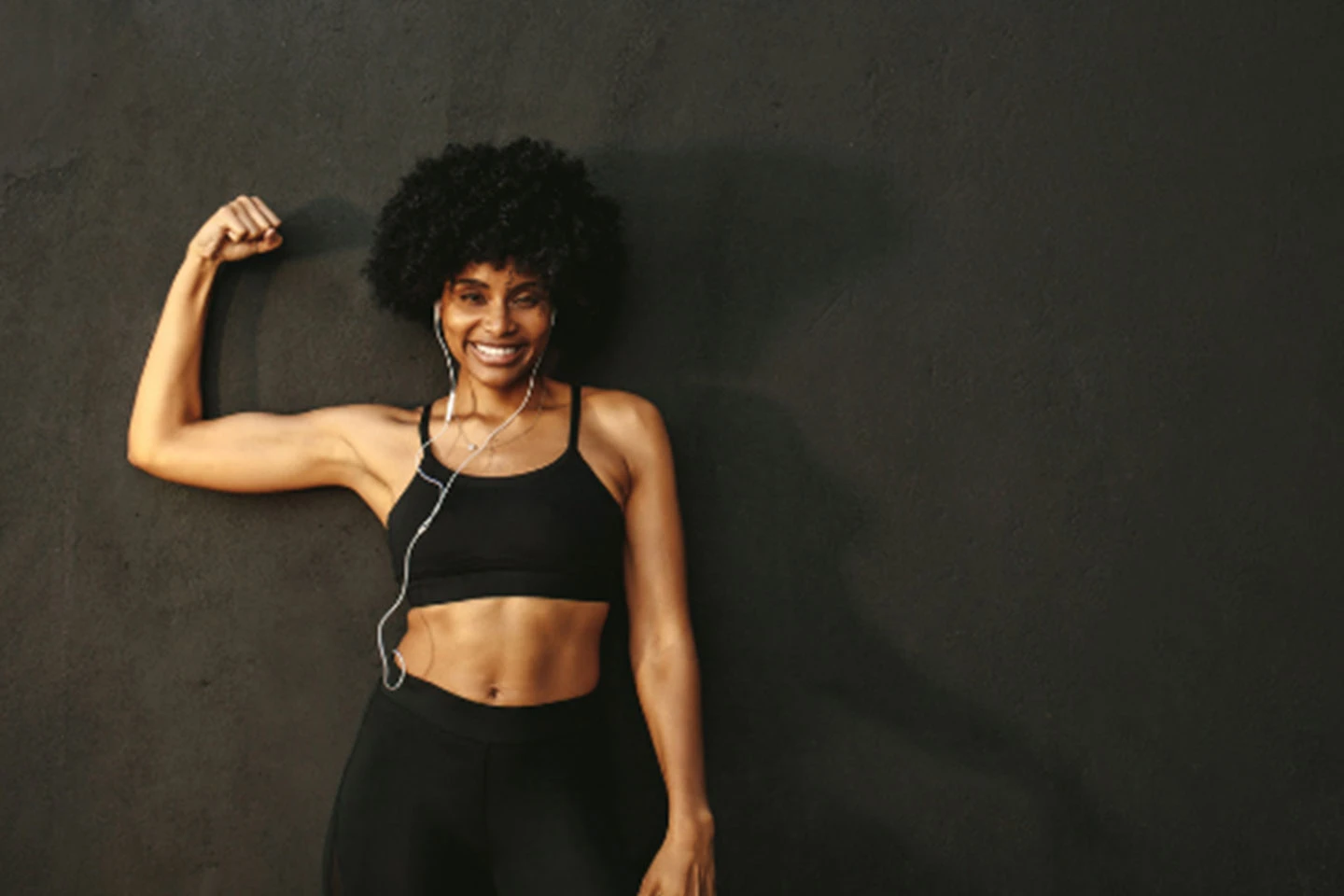
Why strength can feel harder as estrogen declines
If you are in perimenopause or menopause and suddenly feel weaker, more achy, or “deconditioned” faster than you used to, you are not imagining it. Estrogen supports muscle repair, tendon and ligament health, and how your body responds to training. As estrogen levels fluctuate and then drop, many women experience a shift that can look like:
- Less muscle and more body fat, even with the same routines
- Slower recovery after workouts
- More joint stiffness or tendon irritation
- Lower power and balance, which affects confidence and fall risk
The good news is that muscle is highly trainable at any age. The most reliable tool we have for preserving strength in midlife is progressive strength training.
What estrogen loss does to muscle, and why it matters
Muscle protein synthesis
With aging and lower estrogen, the body can become less responsive to the “build muscle” signal from both protein intake and training. It does not mean you cannot build or maintain muscle. It means you may need a clearer plan, more consistency, and enough challenge in your workouts.
Connective tissue and injury risk
Estrogen influences collagen turnover and tissue hydration. When levels change, some women notice more tendon sensitivity (think Achilles, knees, elbows) or crankier joints. The answer is rarely to stop loading. It is to load smarter, progress gradually, and prioritize good form.
Bone and metabolic health
Declining estrogen is strongly linked with bone loss. Strength training, along with impact work when appropriate, is one of the best ways to support bone density. It also improves insulin sensitivity and resting metabolic rate, which matters if weight and metabolic health have become a midlife struggle.
The midlife strength training approach that works
For most women, the goal is not “lighter weights forever.” It is building and maintaining the ability to lift, carry, push, pull, and squat with confidence.
1) Strength train 2 to 4 days per week
A sustainable schedule beats an aggressive one. Two full-body sessions can be enough to maintain or improve strength, especially if you are consistent.
2) Prioritize big, functional movement patterns
Build your program around:
- Squat (sit-to-stand strength)
- Hinge (deadlift pattern for hips and back)
- Push (chest, shoulders, triceps)
- Pull (upper back posture strength)
- Carry (core, grip, bone-loading)
3) Use progressive overload, safely
Strength improves when the body has a reason to adapt. Aim to gradually increase one variable at a time, such as:
- Weight lifted
- Repetitions
- Sets
- Range of motion
A practical target is finishing sets with 1 to 3 reps “in the tank,” challenged but not wrecked.
4) Support recovery like it is part of training
Midlife recovery often needs more intention. Focus on:
- Protein at each meal
- Sleep, especially if night sweats or insomnia are in play
- Mobility and warm-ups for joints and tendons
When hormones and strength goals should be addressed together
If symptoms like hot flashes, poor sleep, mood changes, or significant fatigue are interfering with your ability to train, it is worth discussing your options with a menopause specialist. At Midlife Wellness, care is virtual and individualized, which makes it easier to connect the dots between symptoms, treatment choices, and the active life you want to keep living.
A simple starting point for this week
If you want a low-friction way to begin, try two full-body sessions:
- Day A: squat variation, push variation, row variation, carry
- Day B: hinge variation, overhead press, pulldown or assisted pull-up, step-ups
Start light, focus on form, and repeat weekly. Strength is not just about aesthetics in midlife. It is independence, stability, and staying in your body with confidence for decades to come.