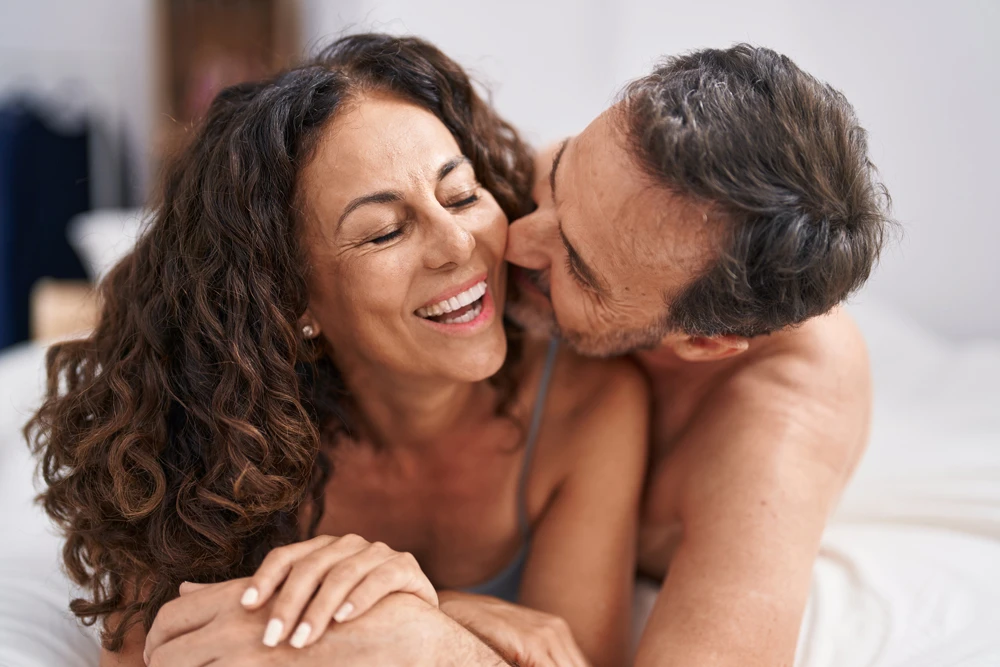
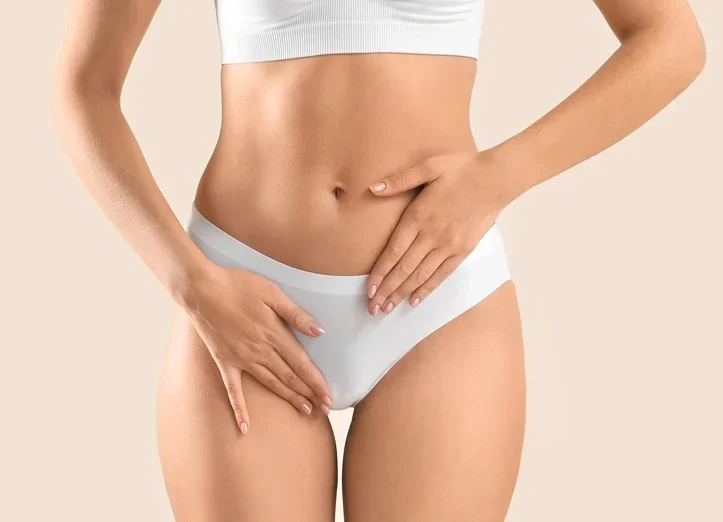
Hormonal changes during midlife can impact intimacy, confidence, and comfort. We approach sexual health with compassion and openness—addressing both physical symptoms and emotional wellbeing to help you feel empowered and connected.
Key Symptoms
Common Symptoms of Hormonal Changes
Low Libido
Decreased interest in sexual activity
Vaginal Dryness or Pain With Sex
Discomfort or pain during intimacy
Difficulty with Orgasm
Difficulty reaching climax or reduced intensity
Genitourinary Syndrome of Menopause (GSM)
Vaginal and urinary symptoms linked to menopause
Confidence & Body Image
Shifts in confidence and self-perception
Treatment Options
We provide a range of supportive options to help you feel comfortable and confident, which may include:
Local vaginal estrogen
To relieve dryness and discomfort
Systemic hormone therapy (if appropriate)
For broader symptom relief
Specialist referrals
Connecting you with additional support when needed
Menopause & Midlife Symptoms
Understanding
the Spectrum
Menopause affects everyone differently. Some experience only mild changes, while others face more noticeable symptoms that impact daily life. Below, you’ll find an overview of common menopause and midlife symptoms, their causes, and treatment options.
Perimenopause, the transition leading up to menopause, often begins in the late 30s or 40s. Symptoms vary widely but may include irregular cycles, hot flashes, and mood changes.
Menopause is confirmed after 12 consecutive months without a period. While hot flashes and night sweats are common, some individuals also experience fatigue, joint pain, or changes in skin and hair.
When ovarian function declines before age 40, it is known as Premature Ovarian Insufficiency. This condition can affect fertility and bone health, making early detection and management especially important.
Shifts in estrogen and testosterone can influence sexual health, intimacy, and confidence. Symptoms may include vaginal dryness, discomfort with intercourse, low libido, or Genitourinary Syndrome of Menopause (GSM).
Emotional well-being is often closely linked to hormonal changes. Anxiety, depression, disrupted sleep, and difficulty concentrating are common but manageable with the right support.
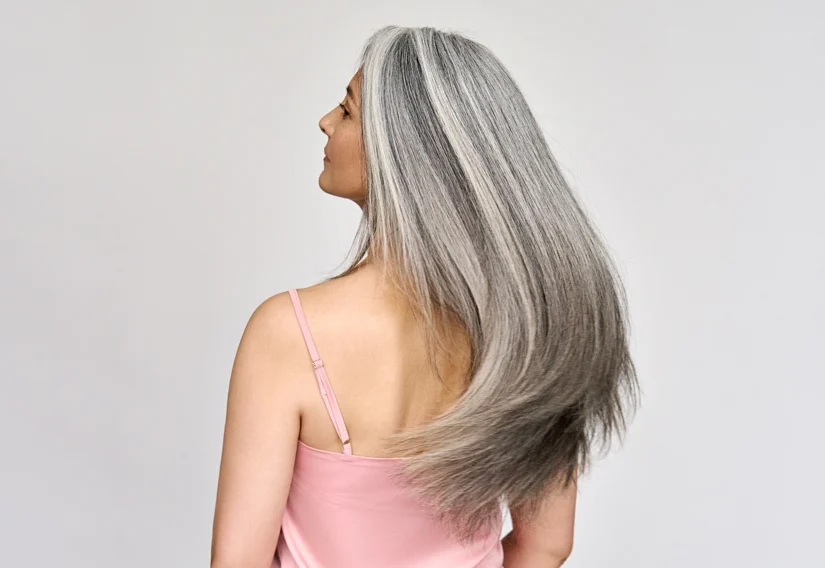
Hair changes during midlife can be distressing. Thinning hair may be related to hormones, stress, or nutrient deficiencies. Treatments can be tailored to restore confidence and support long-term scalp health.
Midlife weight gain—particularly around the abdomen—is influenced by hormones, metabolism, and lifestyle factors. Identifying the root causes can help with effective and sustainable management.
Sexual health plays a central role in overall wellbeing, yet many people feel hesitant to talk about it. We provide a safe, supportive space to address both the physical changes and emotional impacts that may arise during midlife. By openly acknowledging these challenges, we help you reclaim comfort, connection, and fulfillment in your intimate relationships.